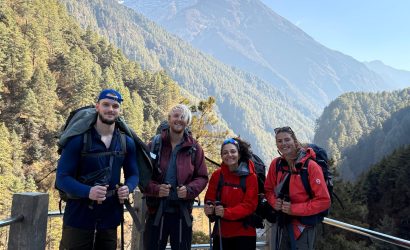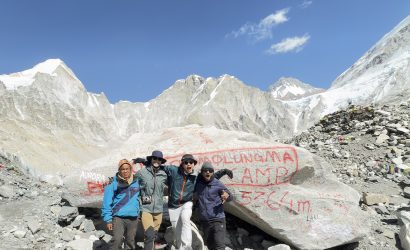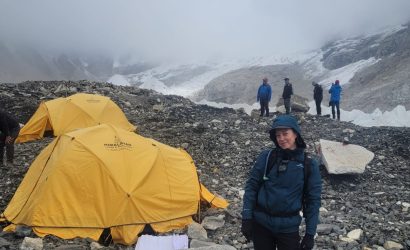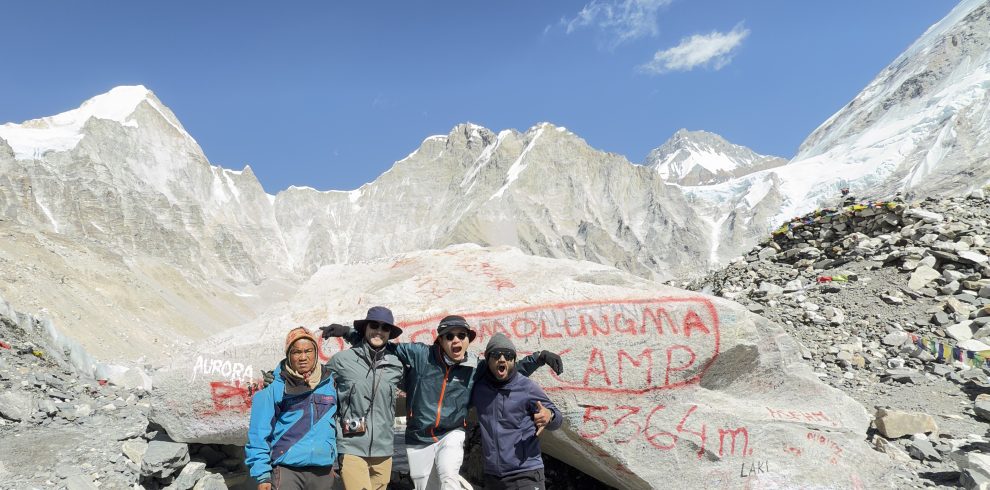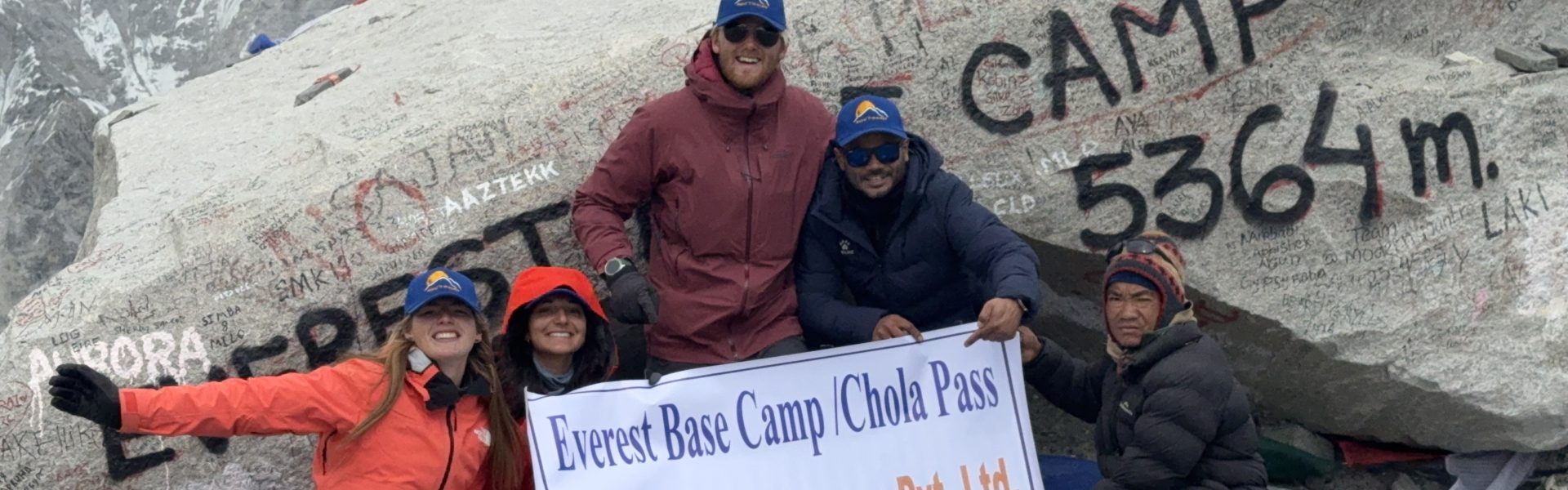
Everest Base Camp and Gokyo Lakes Trek provide an immersive experience of nature and culture. This trek is personally led by owner of the Nepal Trekscape, Ajit Adhikari. This trek tests your patience and limitation then reward you with the exploration of nature and culture. Additionally, it provides you the opportunity to experience authentic Himalayan wilderness.
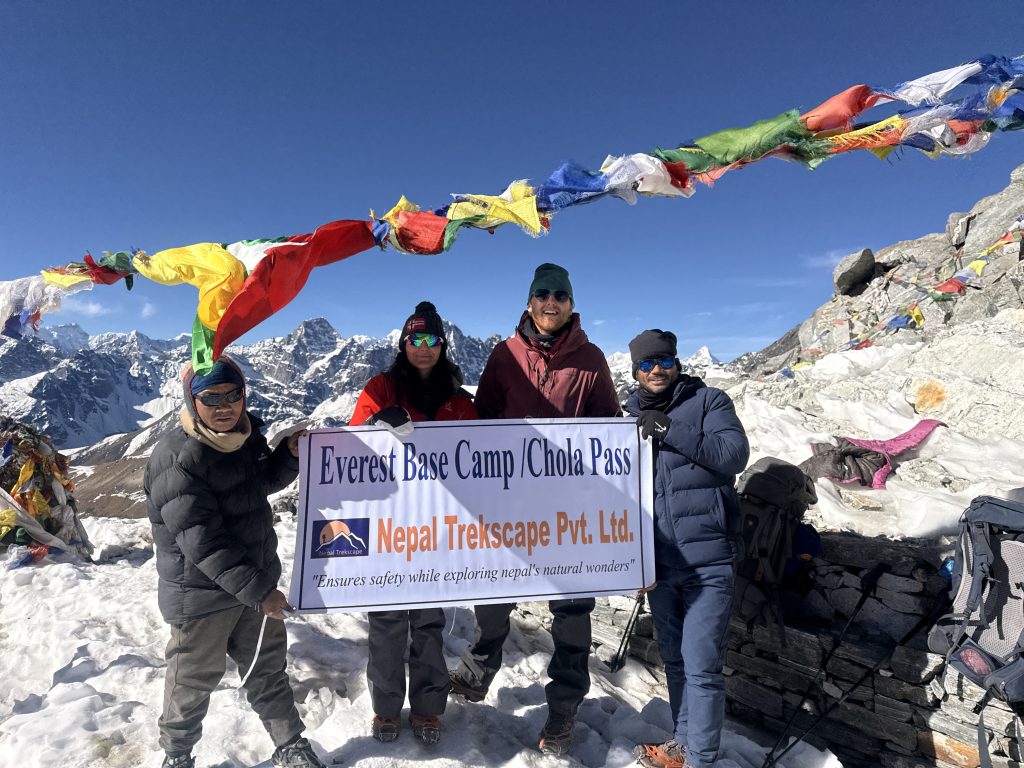
This trek also allows you to conquer one of the high passes in the Everest Region, Cho La pass. When you reach top of this pass, you will be rewarded panoramic views of breathtaking views of Cholatse (6,440m), Ama Dablam, Lobuche East, and Taboche.
Along the continuation of the trek, you will get opportunity to meet with the indigenous people of Everest region.
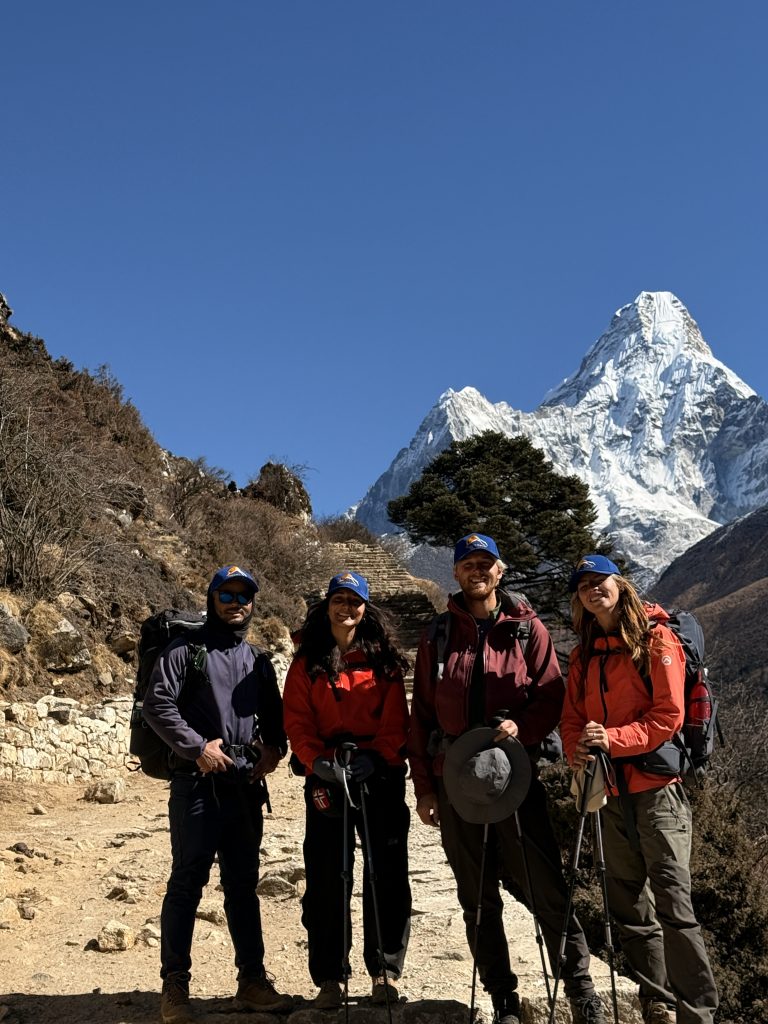
How you can be prepared for the Everest Base Camp and Gokyo Lakes Trek
Before you lace up your boots and embark on this incredible journey, here’s a comprehensive guide to help you prepare:
- Physical Fitness: This trek requires a moderate level of fitness. Regular exercise routines incorporating cardio and strength training are recommended for several months leading up to the trek. While prior trekking experience is helpful, it’s not mandatory.
- Acclimatization: Altitude sickness is a real concern during high-altitude treks. It’s crucial to properly acclimatize by gradually ascending and taking rest days at higher elevations. Following the recommended itinerary with acclimatization days built-in is essential.
- Research and Planning: Researching the weather conditions, obtaining necessary permits, and choosing the right gear are all vital aspects of planning your trek. Reliable trekking companies like ours can guide you through this process and ensure a smooth and safe adventure.
Why Nepal Trekscape for the Everest Base Camp and Gokyo Lakes Trek?
The main fundamental of every Everest Region trek we organize depend upon experience, safety and transparency. Here is why you can trek with us.
Owner led trek
Nepal Trekscape never hire guide to trek in Everest Region whether it is moderate or challenging. We do not believe in the outsourcing. This trek is led by owner of Nepal Trekscape who is also experience trekking guide. He has more than 15 years of experience in trekking to Everest Region. He is passionate trekking guide who treat every guest as like a family. Additionally, he had led many independent treks to Everest Region successfully. As a responsible guide, he ensures your safety while you are trekking and exploring Everest region.
Acclimatization Protocol
Owner of Nepal Trekscape follows proven acclimatization protocol in order to train your body to adapt the environment of high altitude. Acclimatization plays the significant role to make your trek successful yet enjoyable by preventing altitude sickness.
When we trek from Phakding to Namche Bazaar (3,440 m), there is slight gain of altitude by 830 meters. Here we walk in slow pace and take short breaks frequently and we stay overnight at here. We take nutritious dinner here and give our body time to acclimatize. Next day, we explore Sherpa village, Khunde (3840 m) and Khumjung (3790 m). Then we will hike up to Everest View Hotel located in Syangboche ridge to see stunning view of Mount Everest. After sometime, we will again return back to Namche Bazaar to stay overnight.
Similarly, we have separated acclimatization day at Chhukung (4730 m). Early in the morning, we hike to Gokyo Ri (5,357 m). We constantly drink water to hydrate ourself while hiking. After spending sometimes on the summit of Gokyo Ri, we again return back to the teahouse of Gokyo village to stay overnight.
Hence, in this way owner of Nepal Trekscape have developed acclimatization protocol based on “Climb High, Sleep Low”, Hydration and Nutrition, Rest Days.
Continuous Health Monitoring
Owner of Nepal Trekscape continuously monitor your health condition using oximeter from Namche Bazar. Above 3,000 meters, there is a risk of Acute Mountain Sickness (AMS), High Altitude Pulmonary Edema (HAPE), High Altitude Cerebral Edema (HACE). Oxygen availability is much lower than at sea level and your body will experience significant drops in oxygen saturation.
Owner use oximeter to detect falling oxygen saturation early. Output of oximeter helps him to make timely decisions whether to descend or take rest in same altitude.
He doesn’t just check once in a day but they check twice daily throughout your trek, every morning and every evening after your dinner. Sometimes, if he sees you are feeling difficulty then he checks your oxygen saturation frequently. Your health is his first priority.
Transparency in trek arrangement cost
Nepal Trekscape provide you detail of the cost for food, accommodation, transportation, guide service, porter service, permits and flight (Lukla-Kathmandu). We operate your trek with transparency. We try our best to organize your trek in budget without compromising quality of our trekking service.
Everest Base Camp Trip and Gokyo Lakes Permits:
To trek in the Everest Base Camp and Gokyo Lakes region, you’ll need the following permits:
- Sagarmatha National Park permit: This permit costs around USD $30 and grants access to the Everest Base Camp region.
- Khumbu Pasang Arun Conservation Area Permit (KPACAP): This permit costs around USD $30 and allows entry into the Gokyo Lakes region.
Everest Base Camp Trip and Gokyo Lakes Difficulty:
The Everest Base Camp and Gokyo Lakes trek is considered a moderate to challenging trek due to the high altitude. The trails can be steep and uneven, and the weather conditions can be unpredictable. However, the breathtaking scenery and the sense of accomplishment make it a truly rewarding experience.
While some trekking experience is beneficial, a good level of physical fitness is more crucial. Following a proper training program and allowing enough time for acclimatization are essential for a successful and enjoyable trek.
Travel Insurance:
Adequate travel insurance is vital for any trek in the Himalayas. It should cover medical emergencies, helicopter evacuation, trip cancellation, and loss of baggage. Ensure your chosen insurance policy covers high-altitude trekking and includes a helicopter evacuation clause in case of emergencies.
Best Time to Explore Everest Base Camp and Gokyo Lakes:
The best time to trek to Everest Base Camp and Gokyo Lakes is during the spring (March-May) and autumn (September-November) seasons. These seasons offer clear skies, stable weather conditions, and comfortable temperatures for trekking. However, these seasons also tend to be busier with more trekkers on the trails.
The winter months (December-February) can be very cold with frequent snowfall, making the trek more challenging. The monsoon season (June-August) experiences heavy rainfall, which can make the trails slippery and cause flight cancellations.
Accommodation and Meals During the Trek:
On the Everest Base Camp and Gokyo Lakes trek, you’ll be staying in teahouses. These are basic lodges run by local families, offering comfortable rooms with shared bathrooms. Most teahouses provide basic amenities like blankets and pillows. However, it’s recommended to bring a sleeping bag liner for added comfort.
Meals during the trek are typically included in your trek package. Teahouses offer a variety of options, including local Nepali cuisine like Dal Bhat (lentil soup and rice), Tibetan influenced dishes like Thukpa (noodle soup), and some Western dishes like pasta and pizza.
Trekking Gears Required:
- Backpack: Choose a comfortable backpack with a capacity of 40-50 liters to carry all your essential gear.
- Hiking Boots: Durable and waterproof hiking boots with good ankle support are crucial for navigating the uneven and sometimes rocky terrain. Goldstar and Humtto Nepal boots are popular nowadays for trekking.
- Clothing:
- Base Layers: Pack moisture-wicking thermals (tops and bottoms) for optimal temperature regulation.
- Mid-Layers: Fleece jackets or sweaters for warmth during cooler mornings and evenings.
- Outer Layer: A waterproof and windproof jacket and pants are essential for unpredictable weather conditions.
- Additional Clothing: Pack trekking shirts, quick-drying pants, a hat, sunglasses, and gloves for varying temperatures.
- Sleeping Gear: A sleeping bag rated for at least -10°C (14°F) is recommended for the higher altitudes. Consider bringing a sleeping bag liner for added warmth and hygiene.
- Trekking Poles: These poles will provide stability and support, especially on descents and uneven terrain.
- Headlamp: A headlamp with extra batteries is essential for navigating in low-light conditions during early mornings and evenings.
- Water Bottle and Purification Tablets: Staying hydrated is crucial at high altitudes. Bring a reusable water bottle and water purification tablets to treat water throughout the trek.
- Sun Protection: Pack sunscreen with a high SPF rating, sunglasses, and a hat to protect yourself from the harsh Himalayan sun.
- First-Aid Kit: A basic first-aid kit is essential for treating minor injuries and ailments on the trek.
- Toiletries and Medications: Pack essential toiletries, personal medications, and any blister prevention products you might need.
- Camera: Capture the breathtaking scenery and document your incredible journey. Ensure you have extra batteries and a memory card.
- Cash: While most expenses are covered in the trek package, carrying some extra cash for snacks, drinks, souvenirs, or tipping the guides and porters is recommended. ATMs are not readily available in the Everest region, so plan accordingly.
Additional Tips:
- Pack light: Remember, you’ll be carrying your backpack throughout the trek. Choose lightweight clothing and gear whenever possible.
- Layers are key: Dressing in layers allows you to adjust to varying temperatures throughout the day.
- Stay hydrated: Drink plenty of water throughout the trek to avoid altitude sickness.
- Acclimatize properly: Take rest days and ascend gradually to allow your body to adjust to the high altitude.
- Respect the environment: Practice responsible tourism by minimizing waste and respecting the local culture.
Overview
The Everest Base Camp and Gokyo Lakes trek is an unforgettable adventure that takes you to the foothills of the world’s highest mountain, Mount Everest. Situated in the Himalayas of Nepal, this journey offers views and a chance to witness the unique Sherpa culture. As you trek through villages and valleys, you’ll climb to higher altitudes, experiencing the beauty and challenges of the region.
Starting from Lukla, a small mountain town, the trek to Everest Base Camp and Gokyo Lakes typically takes around 18 days. Along the way, trekkers pass through Namche Bazaar, and Tengboche Monastery, a serene Buddhist monastery with stunning mountain views. Each day brings new landscapes and encounters with other trekkers from around the world, creating a sense of togetherness.
Reaching Everest Base Camp, located at an elevation of 5,364 meters (17,598 feet), is a remarkable achievement. Here, surrounded by peaks and the iconic Khumbu Icefall, you’ll get a glimpse of mountaineering and the challenges faced by climbers attempting to summit Everest. The Everest Base Camp trip promises an unforgettable experience filled with beautiful scenery, and a profound sense of accomplishment.
Similar Trip: Everest Base Camp